Services
Depression Counselling in Narre Warren
You don't have to feel like yourself again all at once.
I'm happy to talk through your situation and how I work, to see if it feels right for you. Call me on 0479 171 121.
Reconnect With Life
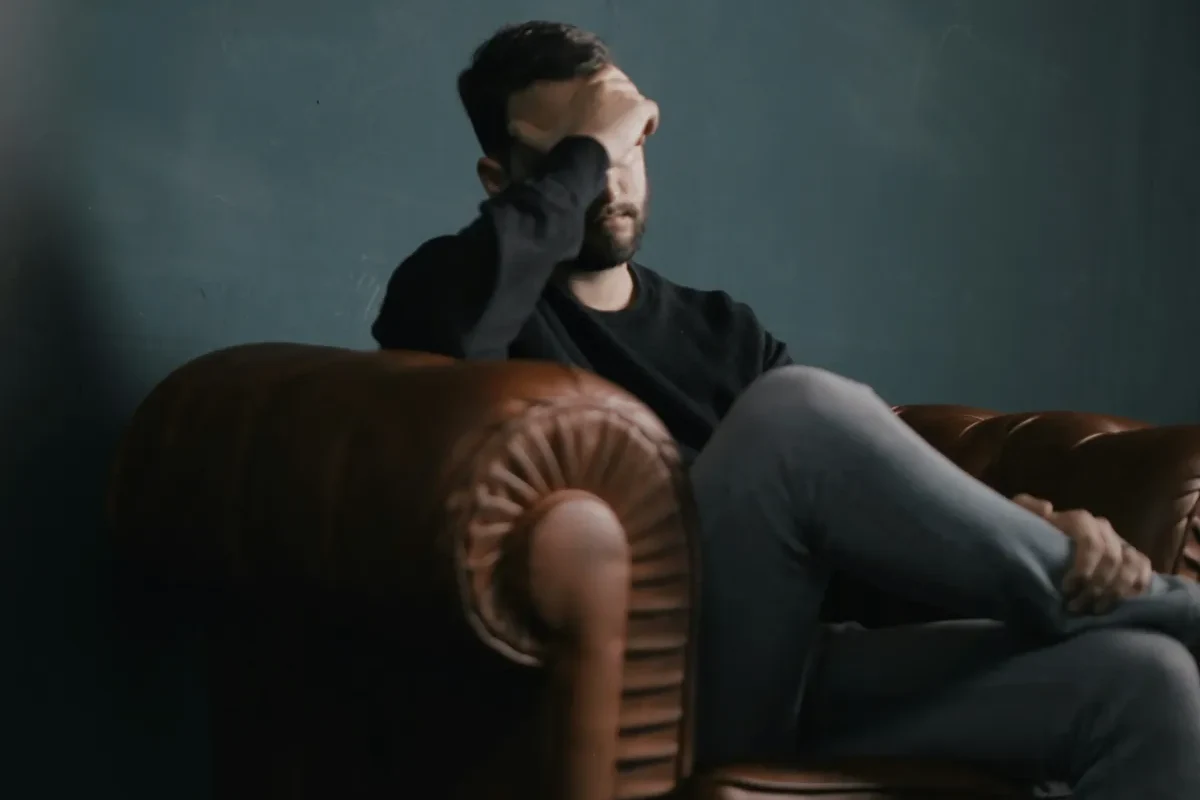
When everything feels heavier than it should, getting through the day can start to feel like an effort in itself. Depression can show up as a flat, disconnected feeling, or as exhaustion that sleep doesn't fix, or as a quiet sense that the things you once enjoyed have lost their pull.
If that sounds familiar, you are not alone, and it is not a sign of weakness. It is a sign that something needs support.
What are the signs of depression?
- A persistent low or flat mood, most of the day, most days
- Losing interest or pleasure in things you used to enjoy
- Fatigue or low energy that doesn't improve with rest
- Changes in sleep, sleeping far more or far less than usual
- Changes in appetite or weight
- Difficulty concentrating or making decisions
- Feelings of worthlessness, guilt, or being a burden
- Withdrawing from family, friends, or activities
- A sense of hopelessness about the future
What Causes Depression?
Depression rarely has a single cause. It often develops through a combination of biological factors, life circumstances, and psychological patterns built up over time. Grief and loss, chronic stress, unresolved trauma, relationship difficulties, major life transitions, and longstanding beliefs about yourself can all play a part. Depression following a significant loss can benefit from grief and loss counselling, depression connected to relationship strain from relationship counselling, and where trauma is underneath it, trauma therapy and EMDR can help.
How Does Therapy Help?
Therapy helps you understand what is driving your depression, rather than just managing the symptoms day to day. Together we look at the thoughts, patterns, and circumstances that keep low mood in place, and build a path toward feeling more like yourself again. This is not about forcing positivity. It is about understanding what is happening and finding a way through it that actually fits your life.
Depression Therapy and Counselling
With 20 years of clinical experience, I draw on several evidence-based approaches depending on what fits you best, not a one-size-fits-all program.
Understanding What's Driving It
We start by understanding what's actually driving your low mood, whether that's grief, relationship strain, longstanding beliefs, or something less clear cut.
Read more ↓Rebuilding Motivation and Connection
Together we rebuild motivation and routine, one manageable step at a time, and reconnect with activities and people that used to matter to you.
Read more ↓Building a Plan That Lasts
We shift the thought patterns that keep depression in place, and build a relapse prevention plan for harder periods ahead.
Read more ↓Counselling Sessions
Sessions are 60 minutes, available in person in Narre Warren or via telehealth Australia-wide. I start with a thorough assessment of your history, symptoms, and goals, then build a plan suited to you, whether that's short-term, focused work or a longer-term course of therapy.
Depression often narrows life down to survival. Therapy is about widening it back out again, one workable step at a time.
Wondering about cost? Session fees and private health insurance rebate details are on the Fees page.
If depression is making everyday life harder than it should be, call on 0479 171 121 or Contact Me.
Common Questions
Depression Counselling FAQs
Everyone has low moods from time to time, but depression tends to be more persistent, lasting most of the day for two weeks or longer, and it often comes with a noticeable drop in energy, interest, and hope. If you're unsure, that uncertainty alone is reason enough to have a conversation with a professional rather than trying to work it out alone.
No referral or diagnosis is required to book an appointment. Many people come to counselling simply because something feels wrong, without a formal label attached to it yet.
That's entirely your decision, and counselling does not depend on medication either way. Some people manage well with therapy alone, others find a combination of therapy and medication more effective, and that conversation belongs with your GP or psychiatrist, not something therapy requires of you.
It varies depending on what's contributing to the depression and how long it's been present. Some people notice a shift within a handful of sessions, particularly when a clear trigger such as grief or a relationship issue is involved. Longstanding or trauma-related depression usually benefits from a longer course of work. We review progress together as we go, rather than committing to a fixed number upfront.
Research generally supports telehealth as an effective option for depression counselling, and many clients find it easier to attend consistently when travel isn't a barrier. If you're not sure which format suits you, we can start with whichever feels more comfortable and adjust from there.
You don't have to keep pushing through this alone.
Support can help you find your way back to energy, motivation, and meaning.